Skip to content
mielomamultiplo.com · Multiple Myeloma
Emergency 112  · SNS 24 808 24 24 24
The Multiple Myeloma symbol — find out what it means

Multiple Myeloma There is hope. There is a way forward.

information · support · hope

It is always better to be an informed patient.

News, testimonies, a space to share ideas and links that help patients and carers understand the disease better and know where to find help.

Automatic translation by MielomaAI. The original text is in Portuguese. Some parts may still appear in Portuguese while they are being translated. Português
Summary · Treatments & Research

Recent developments regarding the treatment and research of multiple myeloma indicate promising advances. [USA] A new bispecific antibody targeting BCMA is being tested in patients with relapsed multiple myeloma, while [UK] the inhibition of the NFIL3-MYC axis is emerging as a strategy to overcome therapeutic resistance. [Unidentified Country] New therapies, including CAR-T therapies and antibody combinations, are being approved, and FDA data analysis suggests the potential of Teclistamab with Daratumumab.

Made by MielomaAI On November 17, 2026, at 09:45, based on recent news. May contain errors. View news →

Support, pain relief and wellbeing

Treating myeloma is also about treating the person: being free from pain, sleeping well, being psychologically well and having social and financial support. Asking for help is a patient's right. and of those who care for you.

Movie: asking for help is a right

Asking for help is a right.

Treating myeloma isn't just about treating the disease; it's about treating the person. Being free from pain, sleeping well, and feeling emotionally well are all part of the treatment. Asking for help isn't weakness; it's a patient's right.

Being pain-free

Bone pain is common in myeloma, but don't suffer in silence. Tell the team how much it hurts, from 0 to 10. There are painkillers, radiotherapyTreatment with radiation directed to a specific area of the body. In myeloma, it is used in solitary plasmacytoma and to relieve bone pain. and other techniques that relieve.

Pain control = more strength for treatment

Pain Assessment

If the pain doesn't go away with your usual medication, ask to be seen. pain assessmentHospital appointment (pain unit) with doctors specialized in pain treatment who are not responding to usual medications. The referral is made by your doctor. pain unit of the hospital, or us palliative careTeams that treat pain and other symptoms and support the patient and family. They are not just for end-of-life care: they can help at any stage of the illness.which also help to control symptoms at any stage of the disease.

Ask your doctor

Sleep well

Poor sleep increases fatigue, pain, and sadness. Dexamethasone, pain, and worry disrupt sleep. Tell the team: often just changing the time of a medication or treating the pain is enough.

Sleeping is also treatment

Taking care of your mind

Fear, sadness, anxiety and emotional fatigue are normal for the patient and for those who care for them. Hospitals have psychologists and psych oncologySpecialized psychological support for people with cancer and their families, provided by psychologists and psychiatrists in hospitals.Book an appointment: talking helps you cope with the treatment.

Hospital psychologist

The social worker

All hospitals with hematology departments have social work services. A social workerSocial worker from the hospital who assists with support, transportation, paperwork, grants, accommodation, and patient and caregiver rights. assistance with transportation, medical prescriptions, Social Security benefits, and the disability certificateMulti-Disability Assessment Certificate: with 60% or more disability entitles you to tax benefits and other support. Obtained at the health center (social security office). (multi-purpose), the Informal Caregiver Status and accommodation.

Ask at your first appointment

Accommodation near the hospital

For those who live far away and need to be close to the hospital – for example, in the weeks following a transplant or a CAR-TTreatment involving the patient’s own T lymphocytes, modified in the laboratory to recognize the myeloma and then reintroduced through infusion. � you may be eligible for housing support. The Casa Porto Seguro, from the APCL, in Lisbon, is one example; social workerSocial worker from the hospital who assists with support, transportation, paperwork, grants, accommodation, and patient and caregiver rights. Know what's happening in your area.

Speak early, before treatment

Money problems

Treatment within the public health system is free, but there are expenses: travel costs, time off work, medication, and the time of caregivers. If money is tight, let them know. social workerSocial worker from the hospital who assists with support, transportation, paperwork, grants, accommodation, and patient and caregiver rights.There are grants, exemptions, and assistance from associations.

Don't go through this alone.

Patient Rights Guides

The APCL's Patient Rights Manual and the Portuguese League Against Cancer's Oncology Patient Rights Guide explain, step by step, the support, grants, and how to apply for them. The links are below the video.

APCL and Portuguese League Against Cancer

Who can help already

SNS 24 (808 24 24 24): health questions at any time and psychological counseling. Line Cancro: 808 255 255. Associations: APLL in Porto, APCL in Lisbon and Coimbra, and the Portuguese League Against Cancer in all districts, from the mainland to the Azores and Madeira. Emergency: 112.

Keep these numbers.

You are not alone

Patient associations – APCL, APLL, Portuguese League Against Cancer – groups and other patients who have gone through the same are here to help. Ask for help early – before the pain, fatigue or bills become a burden. There is hope, there is a way.

Hover over (or tap) the underlined words to see what they mean. The video will pause while you read.

Support and guidelines may change; always confirm with the hospital social worker and the APCL and Portuguese Cancer League guides. Source: Manual dos Direitos do Doente e Sobrevivente Hemato-Oncológico (APCL) e Direitos Gerais dos Doentes Oncológicos (LPCC) ↗ · This does not replace the explanation from your medical team.

Pain, sleep, headache, and support

Being pain-free

Pain is not something to be kept quiet about. Tell the team how much it hurts you, on a scale of 0 to 10, and where. There are painkillers available in various strengths. radiotherapyTreatment with radiation directed to a specific area of the body. In myeloma, it is used in solitary plasmacytoma and to relieve bone pain. for bone pain and surgery to reinforce vertebrae. If the pain doesn't go away, ask to be seen. pain assessmentHospital appointment (pain unit) with doctors specialized in pain treatment who are not responding to usual medications. The referral is made by your doctor. from the hospital or by palliative careTeams that treat pain and other symptoms and support the patient and family. They are not just for end-of-life care: they can help at any stage of the illness. � that help at any stage of the illness, not just at the end.

Sleep well

Sleep helps with recovery. Dexamethasone can disrupt sleep on the day it’s taken and the following day: take it in the morning. Let the team know if you’re having trouble sleeping; it’s often resolved by treating pain, anxiety, or adjusting medication times.

To be psychologically well

Fear, sadness and anxiety are normal. Seek psychological consultation or of psych oncologySpecialized psychological support for people with cancer and their families, provided by psychologists and psychiatrists in hospitals. At the hospital; family and caregivers can also receive support. SNS 24 (808 24 24 24) offers psychological counseling; the Portuguese League Against Cancer and APLL (in Porto and online) also provide psychological support.

The social worker

Ask immediately at your first appointment to speak with the hospital's social services. social workerSocial worker from the hospital who assists with support, transportation, paperwork, grants, accommodation, and patient and caregiver rights. assistance with transportation for treatments, medical prescriptions, social security allowances, the disability certificateMulti-Disability Assessment Certificate: with 60% or more disability entitles you to tax benefits and other support. Obtained at the health center (social security office). (multi-purpose), the Informal Caregiver Status and accommodation.

Accommodation

For those who live far away and need to be close to the hospital – for example, in the weeks following a transplant or a CAR-TTreatment involving the patient’s own T lymphocytes, modified in the laboratory to recognize the myeloma and then reintroduced through infusion. � you can get support. Speak to… social workerSocial worker from the hospital who assists with support, transportation, paperwork, grants, accommodation, and patient and caregiver rights. Before treatment. The Casa Porto Seguro, from APCL, receives patients and companions in Lisbon (further down).

Financial problems

At the SNS, treatment is free, but there are expenses and loss of income. If you have difficulties, don't wait: speak to... social workerSocial worker from the hospital who assists with support, transportation, paperwork, grants, accommodation, and patient and caregiver rights. and consult the guides from the APCL and the Portuguese League Against Cancer, which explain the supports and how to apply for them. The League also provides social and legal support, and the APLL offers social and economic supports.

Your rights, explained
Cover of the APCL handbook
New · APCL · October 2026

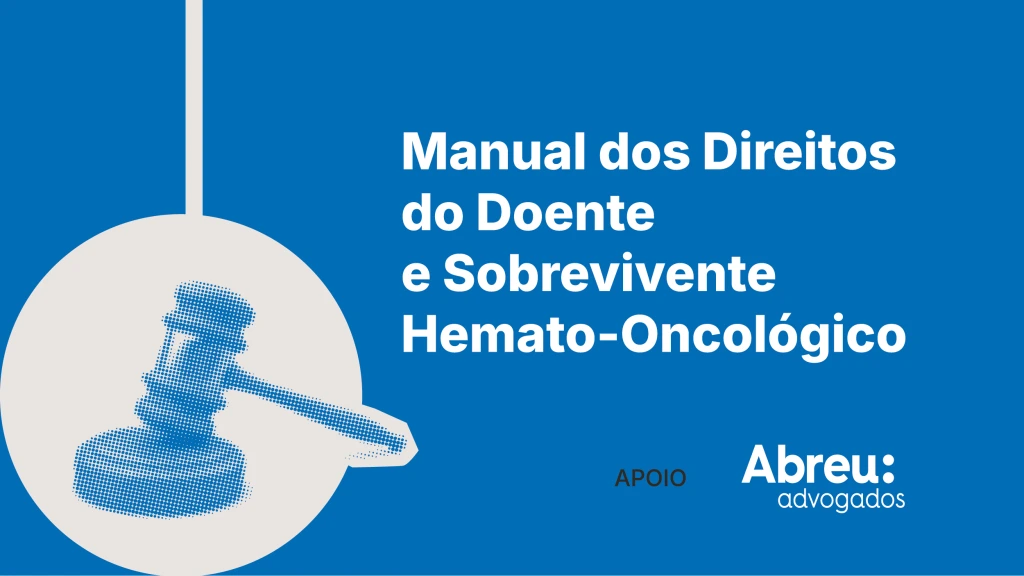
Handbook of the Rights of Haemato-Oncology Patients and Survivors

For people with blood cancer, survivors, family members and carers: the multi-purpose disability certificate, social support, work, taxes, carers and the Right to be Forgotten.

Cover of the Portuguese League Against Cancer guide
LPCC · 6th edition · June 2025

Guide to the General Rights of Cancer Patients

From the Portuguese League Against Cancer: national health service, social security, tax benefits, work, credit and insurance, and the specific rules of the Azores and Madeira.

Are you ill and have questions about your rights? For example: what is the multi-purpose disability certificate? Ask here — MielomaAI reads both guides and shows you the information, saying which one it came from. (Portuguese rights and services.)

More questions, by topic

Disability certificate

In the national health service

Taxes and discounts

Home and credit

Work and social security

Family and carers

After cancer

Azores and Madeira

Sources: APCL — Portuguese Association Against Leukaemia, and LPCC — Portuguese League Against Cancer. MielomaAI's answers are based only on these two guides and do not replace the hospital social worker.

“Porto Seguro” Shelter House · APCL
APCL's Casa Porto Seguro, in LisbonAPCL's Casa Porto Seguro, in LisbonAPCL's Casa Porto Seguro, in Lisbon

Do you have to go to Lisbon for a transplant or other treatment and have nowhere to stay? Casa Porto Seguro is the first shelter house in Lisbon for blood cancer patients and their carers. It belongs to APCL and is at Rua D. Luís de Noronha, 43, about 5 minutes from IPO Lisboa.

  • For whom: haemato-oncology patients with financial difficulties who have to leave the area where they live for a bone marrow transplant or other specific treatment, and the family member or carer who goes with them.
  • What it has: 8 rooms, each with two beds and a bathroom; kitchen, living and dining room and a small shared garden. It opened in May 2023.
  • How much it costs: the stay is free; food is paid for by patients and carers.
  • How to apply: through the social worker of the haematology department at IPO Lisboa, Hospital de Santa Maria or Hospital dos Capuchos, or directly to the management of Casa Porto Seguro.

Find out more on the APCL website ↗

Source: APCL — Portuguese Association Against Leukaemia.

Informal Carer Status

Do you care for a family member with myeloma who depends on you? The Informal Carer Status (Law no. 100/2019) recognises those who provide care and gives them rights at work and, for the main carer, an allowance. There are two types: the main carer, who lives with the person and cares for them permanently, and the non-main carer, who provides regular care but keeps working.

Who can apply

The carer of a person who receives the 2nd-degree dependency supplement or the third-party assistance allowance. The 1st- and 2nd-degree dependency supplements from the Caixa Geral de Aposentações also count. Carer and cared-for person must legally reside in Portugal.

Rights for carers who work

  • 5 consecutive days a year of care leave
  • 15 days of justified absence for care
  • remote working, flexible hours or part-time
  • exemption from overtime and protection against dismissal and discrimination

Main carer's allowance

Monthly cash benefit, applied for separately, after the status is recognised. In 2026, the household reference income must be below €698.27 a month (1.3 times the IAS, which is €537.13).

How to apply

On Segurança Social Direta (Família › Deficiência e incapacidade › Reconhecimento do Estatuto do Cuidador Informal), at a Social Security office or by post. Social Security decides within 20 days and issues a carer card. Questions: Social Security Line, 300 502 502.

Sources: gov.pt (practical guide and Social Security Institute services), APCL handbook and LPCC guide. You can also ask MielomaAI, in the box above: “What is the Informal Carer Status?”

Helplines

Which association to look for: In Porto, the APLL; in Lisbon and Coimbra, the APCL; in all districts, the Portuguese League Against Cancer.

  • SNS 24 808 24 24 24Questions about your health at any time and psychological counseling.
  • Line Cancer 808 255 255From the Portuguese League Against Cancer.
  • Portuguese Cancer League ↗ — all the districtsWith regional centers in the North (Porto), Center (Coimbra), South (Lisbon), Azores and Madeira: social, psychological and legal support for patients and families.
  • Portuguese League Against Leukaemia — Lisbon and CoimbraSupport for patients with blood disorders, including myeloma, and Casa Porto Seguro in Lisbon.
  • Portuguese Leukemia and Lymphoma Association ↗ — Porto (225 488 000 · 914 349 313:) psychological support (in Porto and online, with the “Overcome Adversities” program), social and economic support, and the online physical rehabilitation program “Multiple Myeloma in Motion” (3M).
  • Emergency – 112.
Regional centers of the League and contacts

Source: League contactsEach node indicates the delegation closest to you.

More contacts and associations in the tab Where to find help.

Latest news on treatments

All news → · Summaries created by MielomaAI; expand the article to read the original.