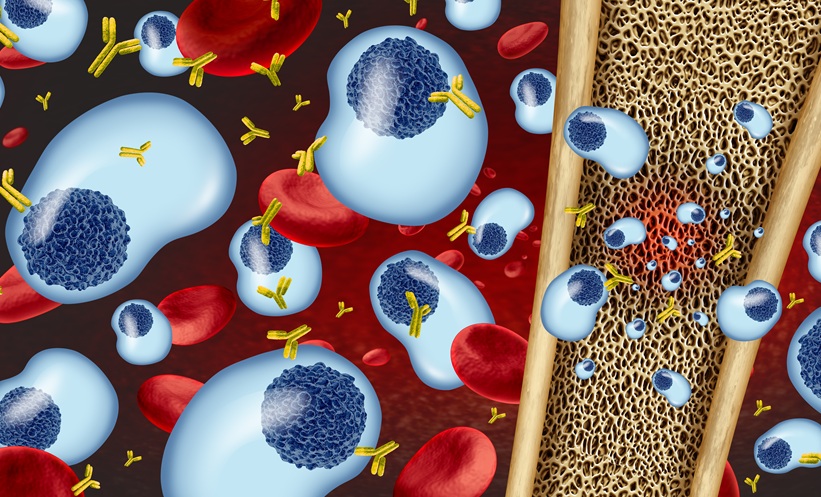
Etentamig in Relapsed/Refractory Multiple Myeloma: Pooled Phase 1 Data of an Investigational BCMA Bispecific Antibody
National Institutes of Health (NIH) | (.gov) (USA) · November 16, 2026, 11:37 PM
 mielomamultiplo.com · Multiple Myeloma
information · support · hope
It is always better to be an informed patient.
News, testimonies, a space to share ideas and links that help patients and carers understand the disease better and know where to find help.
Recent developments regarding the treatment and research of multiple myeloma indicate promising advances. [USA] A new bispecific antibody targeting BCMA is being tested in patients with relapsed multiple myeloma, while [UK] the inhibition of the NFIL3-MYC axis is emerging as a strategy to overcome therapeutic resistance. [Unidentified Country] New therapies, including CAR-T therapies and antibody combinations, are being approved, and FDA data analysis suggests the potential of Teclistamab with Daratumumab.
Made by MielomaAI On November 17, 2026, at 09:45, based on recent news. May contain errors. View news →
Each treatment has different side effects. You can see this simply here they tend to be mild or intenseand compare two treatments side by side. The barometers are a simplified classification made by the site based on the summaries of the characteristics of the drugs (EMA) and the clinical trials: they count how many people have the effect and how many have it severely.
Each person reacts differently: some feel almost nothing with a treatment “high” and some feel a lot with a “low”. Combinations (for example D-VRd) add the effects of the medications that make them up. Always talk to your team: almost all effects can be prevented or treated better if they are reported early.
Swipe to see all effect types. Hover over (or tap) the name of each column to see what it includes.
| Treatment | Overall | InfectionsRisk of infections (pneumonia, skin, urinary infections) due to weakened immunity. | BloodLow white blood cell count (neutrophils), low platelet count or low red blood cell count (anemia). Seen in the tests. | FatigueFatigue and lack of energy. | Stomach and intestinesNausea, vomiting, diarrhea, constipation, loss of appetite or mouth ulcers. | NervesNeuropathy: tingling, numbness, or pain in the feet and hands. | ClotsRisk of thrombosis (blood clots in the veins of the legs or lungs). | Heart and blood pressureHigh blood pressure, shortness of breath, or heart problems. | EyesChanges to the surface of the eye (cornea): blurred vision, dry eye. | Skin, nails, mouthSkin changes, nail changes, hair changes, dry mouth or changes in taste. | Treatment ReactionReaction to infusion or cytokine storm syndrome: fever, chills, hypotension on initial doses. | BrainConfusion, difficulty speaking or writing, tremors (ICANS and other neurological effects). | Sleep, mood, sugarInsomnia, irritability or mood changes, high blood sugar. |
|---|---|---|---|---|---|---|---|---|---|---|---|---|---|
| Lenalidomide (Revlimid)Take it home. | Moderate | Moderate | Moderate | Moderate | Moderate | Mild | Moderate | — | — | Mild | — | — | — |
| Pomalidomide (Imnovid)Take it home. | Moderate | Moderate | High | Moderate | Mild | Mild | Moderate | — | — | — | — | — | — |
| TalidomidaTake it at home, at night. | Moderate | — | Mild | Moderate | Moderate | High | Moderate | — | — | Mild | — | — | — |
| Bortezomib (Velcade)Subcutaneous injection, once or twice a week. | Moderate | Mild | Moderate | Moderate | Moderate | High | — | — | — | — | — | — | — |
| Carfilzomib (Kyprolis)Intravenous infusion in the day hospital | Moderate | Moderate | Moderate | Moderate | Mild | Mild | — | High | — | — | — | — | — |
| Ixazomib (Ninlaro)Take it at home, once a week. | Mild | — | Moderate | — | Moderate | Mild | — | — | — | Mild | — | — | — |
| Daratumumab (Darzalex)Injection in the abdomen, 3 to 5 minutes | Mild | Moderate | Mild | Mild | — | — | — | — | — | — | Mild | — | — |
| Isatuximab (Sarclisa)Intravenous infusion in the day hospital | Mild | Moderate | Moderate | Mild | — | — | — | — | — | — | Moderate | — | — |
| DexamethasoneCapsules, generally once a week. | Moderate | Mild | — | Moderate | Mild | — | — | — | — | — | — | — | High |
| Selinexor (Nexpovio)Take it at home, once a week. | High | — | High | High | High | — | — | — | — | — | — | Mild | — |
| Belantamab (Blenrep)IV infusion every 3 weeks (or less frequently) | Moderate | Mild | Moderate | — | — | — | — | — | High | — | — | — | — |
| Teclistamab and elranatamab (BCMA-specific anti-bodies)Subcutaneous injection, continuous | High | High | High | Moderate | — | — | — | — | — | — | Moderate | Mild | — |
| Talquetamab (Talvey)Subcutaneous injection, continuous | High | Moderate | Moderate | — | Mild | — | — | — | — | High | Moderate | Mild | — |
| CAR-T cilta-cel (Carvykti)One infusion, with hospitalization | High | High | High | Moderate | — | — | — | — | — | — | Moderate | High | — |
| CAR-T cell therapy (Abecma)One infusion, with hospitalization | High | High | High | Moderate | — | — | — | — | — | — | Moderate | Moderate | — |
| Autologous transplant (high-dose melfalan)2 to 3 weeks hospital stay | High | High | High | High | High | — | — | — | — | Moderate | — | — | — |
| Radiation therapy (in a localized area)Short sessions, during weekdays, for a few weeks. | Mild | — | — | Mild | Mild | — | — | — | — | Mild | — | — | — |
� little or no effect of this type. Simplified classification, to give an idea; does not replace the medication leaflet or the explanation from the team.
What typically happens: Low white blood cells and platelets; diarrhea, especially with MaintenanceMilder and longer treatment after induction and transplant, to keep the myeloma under control for a longer period. Often it is lenalidomide in tablet form. long-lasting; fatigue; increased risk of clots; skin lesions.
What helps: Medication to prevent blood clots (aspirin or anticoagulant); regular tests; the dose may be reduced.
What typically happens: Frequently has a low white blood cell count (neutropenia), with a risk of infection; fatigue; and a risk of blood clots.
What helps: Frequent monitoring at the start; prevention of blood clots; breaks or dose reduction.
What typically happens: Ant bites on the feet and hands (may persist); drowsiness; constipation; risk of blood clots.
What helps: Take at night; laxatives; notify immediately if tingling occurs, to adjust the dose.
What typically happens: Neuropathy (tingling, pain in the feet and hands) is the most typical effect; platelet drop; diarrhea or constipation; area.
What helps: The injections under the skin and the weekly schedule cause less neuropathy; acyclovir to prevent shingles; adjust the dose upon the first tingling sensation.
What typically happens: High blood pressure, shortness of breath, and, less frequently, heart problems; low platelets; fatigue; and little neuropathy.
What helps: Measure blood pressure; assess the heart before starting; administer fluids before and after to protect the kidneys.
What typically happens: Diarrhea, nausea; low platelets; skin rash; little tingling.
What helps: Anti-diarrheal and anti-nausea medications; regular tests.
What typically happens: Reaction on the first dose (stuffy nose, cough, chills), infrequent with injection; more respiratory infections.
What helps: Take medication before the injection; monitor closely the first time; vaccines and infection prevention.
What typically happens: Reaction during the first infusion, generally mild; rise in white blood cells; respiratory infections.
What helps: Medications before infusion; slower infusion at the beginning; tests.
What typically happens: Insomnia, irritability or euphoria the day after; high blood sugar; muscle weakness over time; heartburn.
What helps: Take it in the morning; monitor sugar levels; stomach protector; the dose can be lowered, especially in older people.
What typically happens: Nausea, loss of appetite and weight loss; a lot of fatigue; low platelet count; low sodium in the blood.
What helps: Take anti-nausea medication from the start; adjust the dose early; frequent tests.
What typically happens: Very frequent corneal changes: blurred vision, dry eye, difficulty reading or driving. They usually improve if you delay the dose. Low platelet count.
What helps: Eye examination before each dose; lubricating drops; delay or space out the doses.
What typically happens: Frequent severe infections, due to very low good antibodies; low white blood cell count; cytokine storm syndromeImmune system reaction that can occur with CAR-T and bispecifics: fever, chills, low blood pressure. Almost always mild and treatable; therefore, initial doses are monitored. In initial doses, almost always mild.
What helps: Doses increasing with hospitalization or monitoring; preventative vaccines, antibiotics, and antivirals; intravenous immunoglobulin; spacing doses when the myeloma responds.
What typically happens: Changes in taste, dry mouth and significant weight loss are very common; skin peeling and brittle nails; cytokine storm syndromeImmune system reaction that can occur with CAR-T and bispecifics: fever, chills, low blood pressure. Almost always mild and treatable; therefore, initial doses are monitored. In the initial doses. Fewer infections than the anti-BCMAThe protein found on the surface of myeloma cells (B cell maturation antigen). It is the target of CAR-T Carvykti and the bispecific teclistamab and elranatamab..
What helps: Oral and skin care; nutritionist; spacing out doses can help with taste.
What typically happens: Cytokine release syndromeImmune system reaction that can occur with CAR-T and bispecifics: fever, chills, low blood pressure. Almost always mild and treatable; therefore, initial doses are monitored. in almost everyone, almost always mild; effects on the brain (confusion and, more rarely and later, movement problems); prolonged low blood cell count; infections.
What helps: Hospital admission and daily monitoring for the first 2 weeks; staying near the hospital for approximately 4 weeks; do not drive for 8 weeks; infection prevention. After this, there is no ongoing treatment.
What typically happens: Cytokine release syndromeImmune system reaction that can occur with CAR-T and bispecifics: fever, chills, low blood pressure. Almost always mild and treatable; therefore, initial doses are monitored. frequent, generally mild; confusion in some patients; prolonged low blood cell counts; infections.
What helps: Just like in a hospital setting: hospitalization, close monitoring, spending time near the hospital, and infection prevention.
What typically happens: For 1 to 2 weeks, there are no defenses: fever and infections; mouth sores, nausea and diarrhea; hair loss; a lot of fatigue, which improves over weeks to months.
What helps: Protected room, antibiotics, growth factors, ice in the mouth during melfalano, intravenous feeding if necessary. It's tough, but it's a one-time thing.
What typically happens: It depends on the area affected: red skin, fatigue, and nausea or a sore throat if the area is near the stomach or neck.
What helps: Creams for the skin; the effects usually take weeks to appear after the product is finished.
During any myeloma treatment, contact the team or go to the emergency room if you have: Fever of 38°C or highershivers or feeling very unwell; shortness of breath or chest pain; swollen and painful leg; confusion, strange drowsiness, difficulty speaking or writing (especially after CAR-T or bispecifics); weakness in the legs or loss of bladder control; persistent vomiting or diarrhea; black spots or bleeding without reason.
Always carry your treatment card with you (the CAR-T and bispecifics are very important) and show it in any emergency.

Comprehensive and up-to-date news coverage, gathered from sources around the world by Google News.

Ben Derman: Top 10 Myeloma Abstracts to Be Presented at ASH 2026 / ASCO, ASH 2026, Ben Derman, cancer, CAR-T, DARA, Daratumumab, Lenalidomide, Mount Sinai

MRD is becoming a very valuable tool, but it's not an exclusive tool, says expert
All news → · Summaries created by MielomaAI; expand the article to read the original.

The symbol brings together two stories: that of the macedotuga.com, from Vila do Conde, and that of multiple myeloma.
It is always better to be an informed patient. There is hope. There is a way forward.